Echo the material
Pair warm gold with travertine or terracotta, cool silver with gray stone or glass. Echoing tone makes the scene feel planned.
Jewelry Studio · Still life
A still life gives a piece something to rest on: a block of stone, a small dish, a branch, a pane of glass. Upload one product photo and pick the prop; the piece stays exactly as it is.
Updated · Image25 Jewelry Studio
15 credits · Fast · Medium · 1 image
Includes one reference photo. Every new generation costs 15 credits.
Email sign-in keeps your selection. Google sign-in leaves this page; reselect your photo and settings after returning.
Stone plinth
Resting on a pale stone block or plinth.
This jewelry still life photography tool places the piece from your photo on a chosen prop: a stone plinth, a ceramic dish, a natural branch or a glass tile. The prop supports it with believable contact and light, and each image costs 15 credits.
01
One piece per prop, each restaged from a plain product photo.
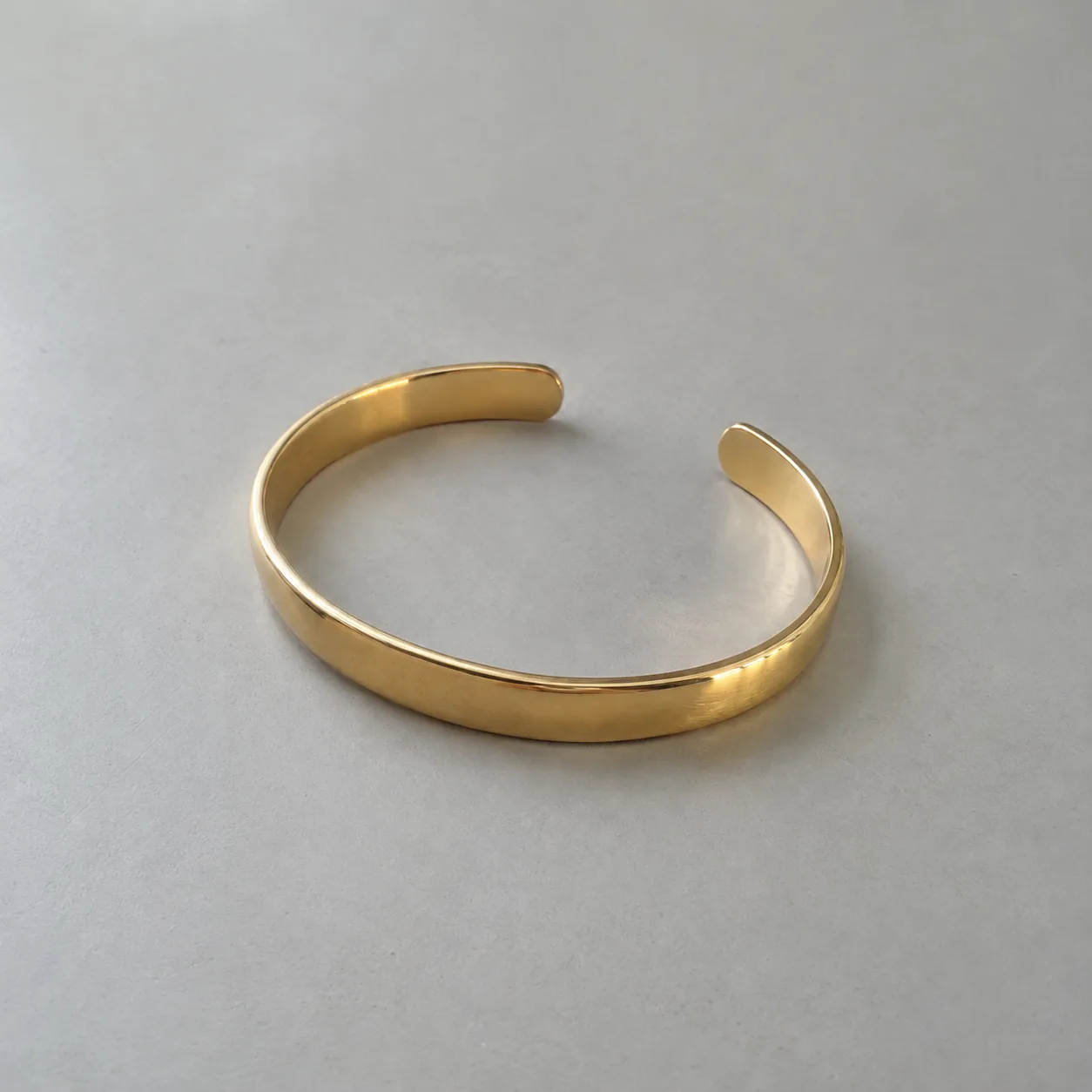 Before
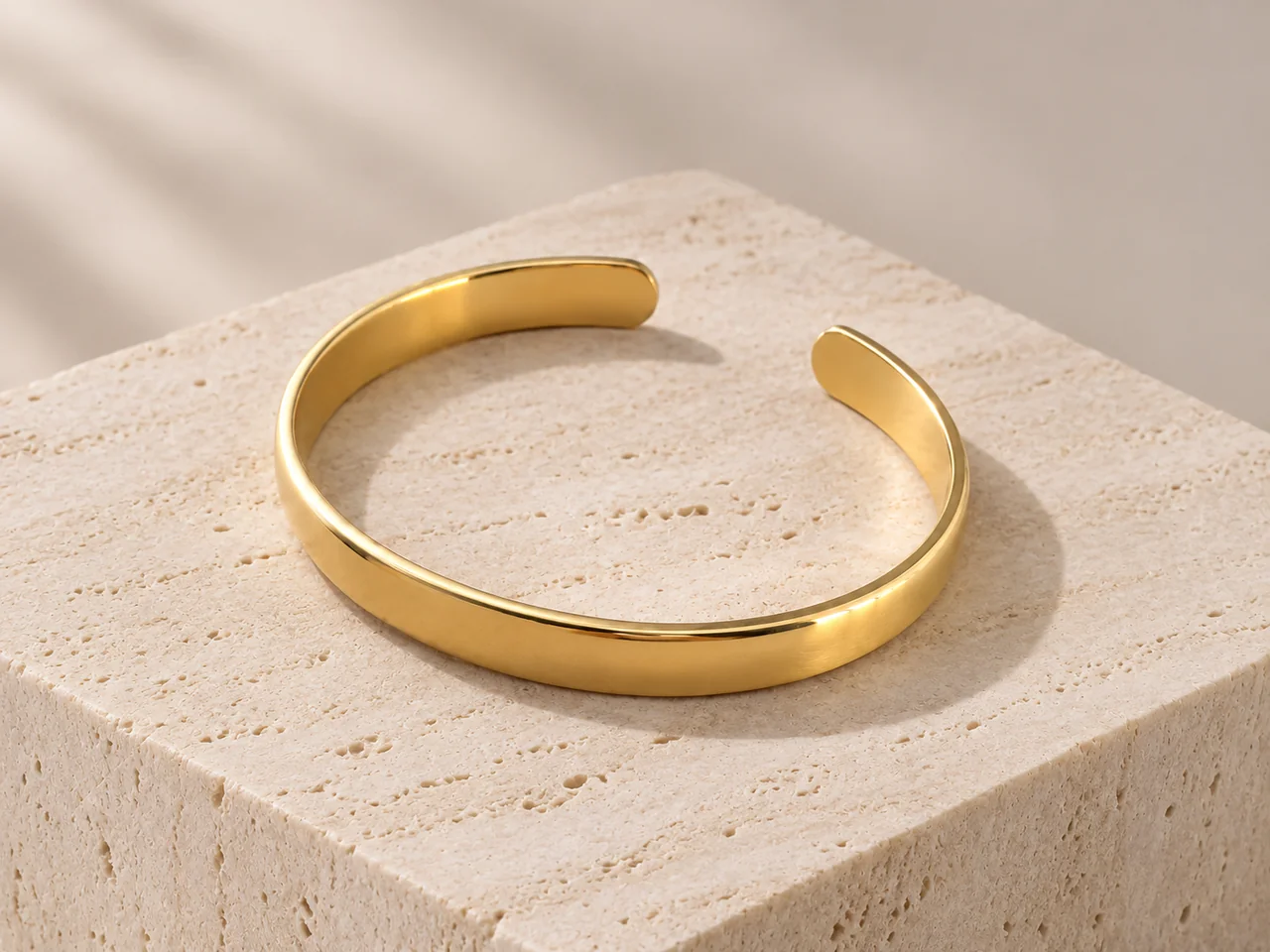 After
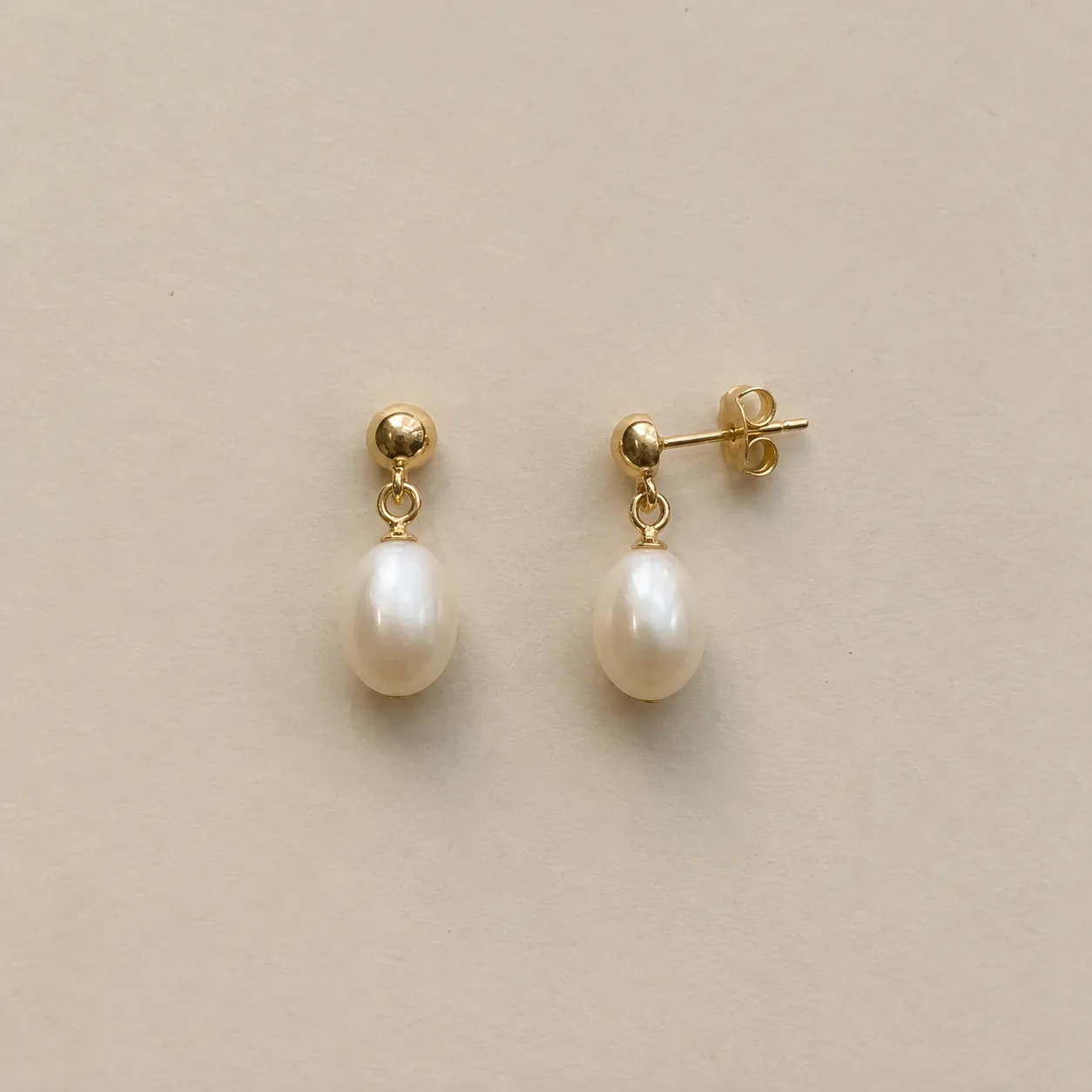 Before
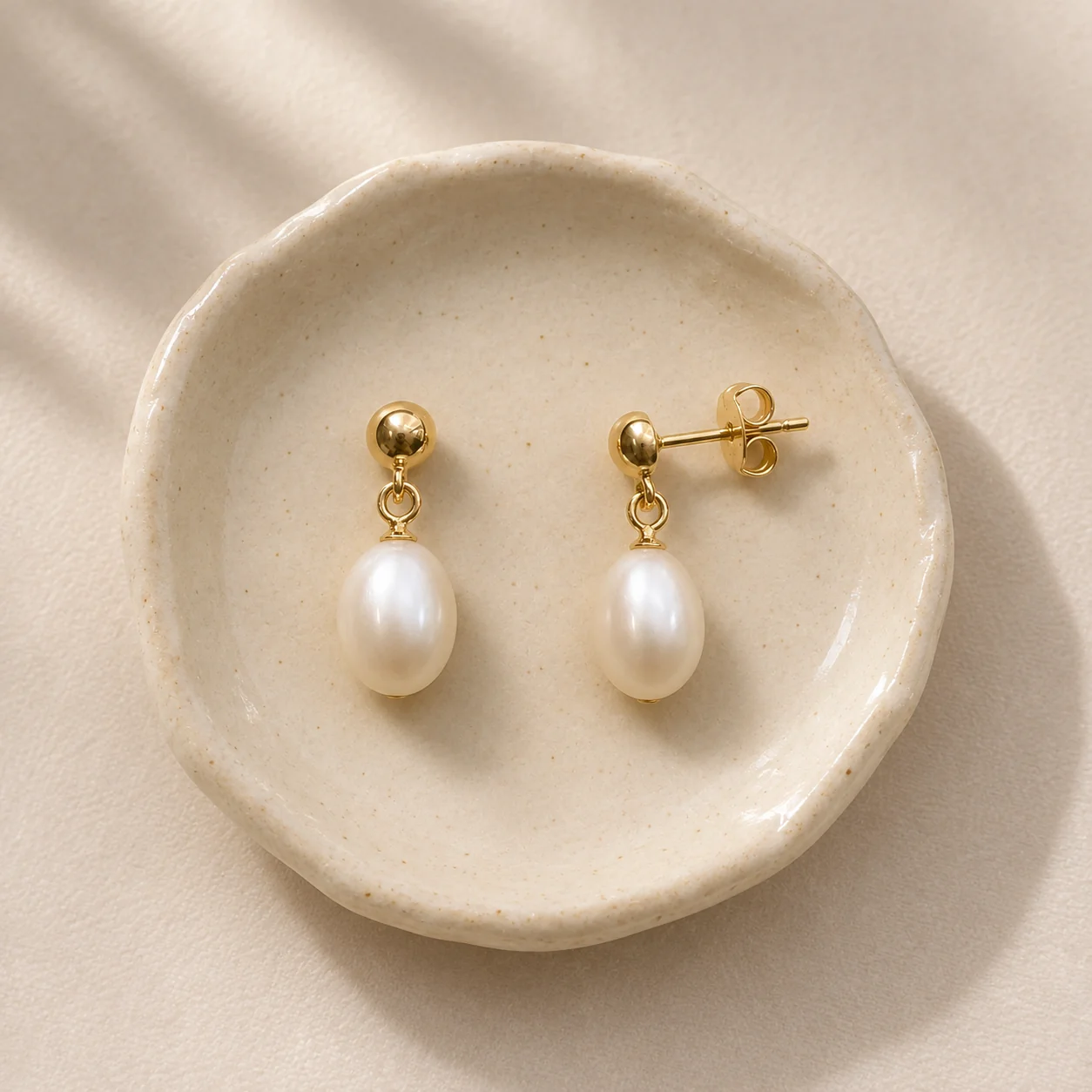 After
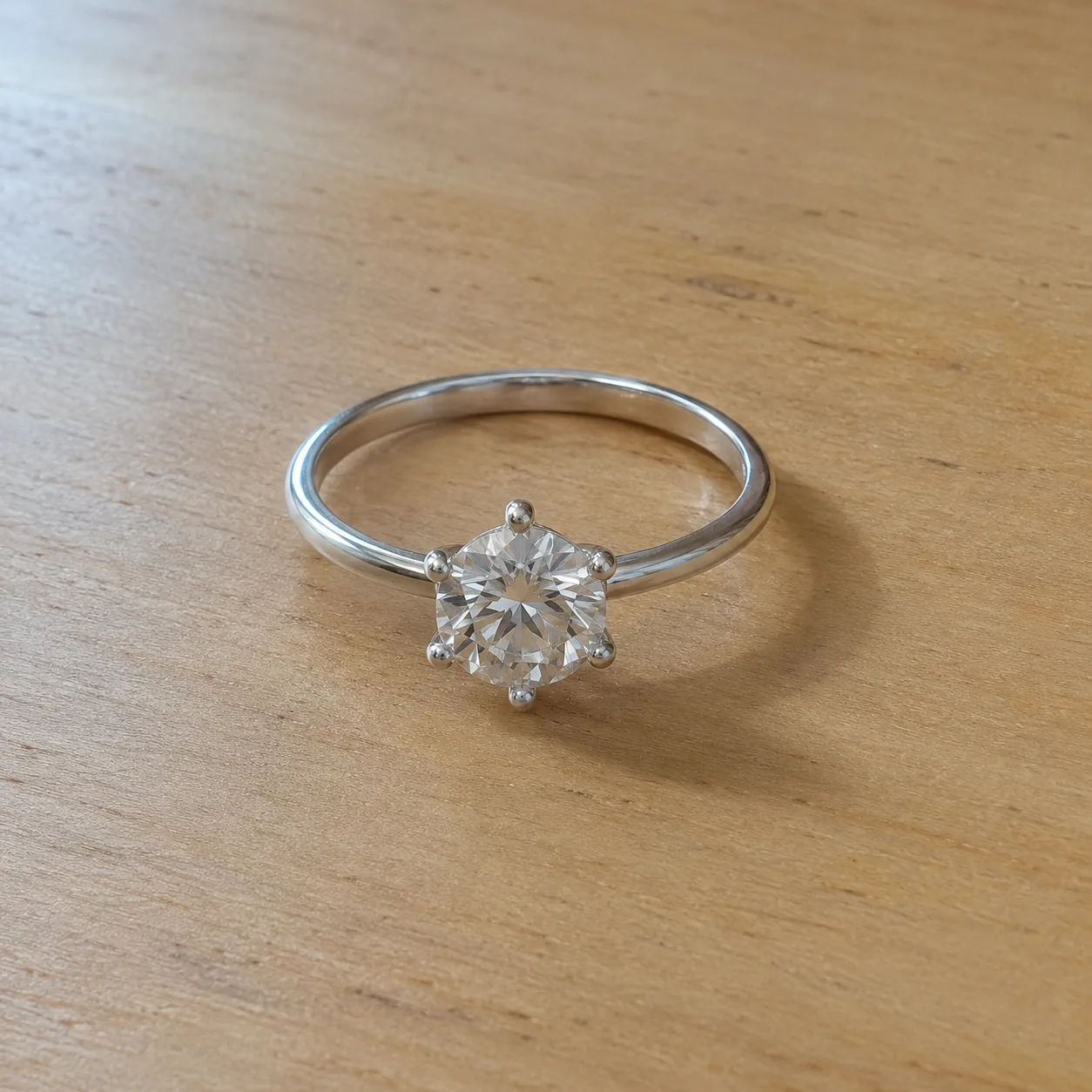 Before
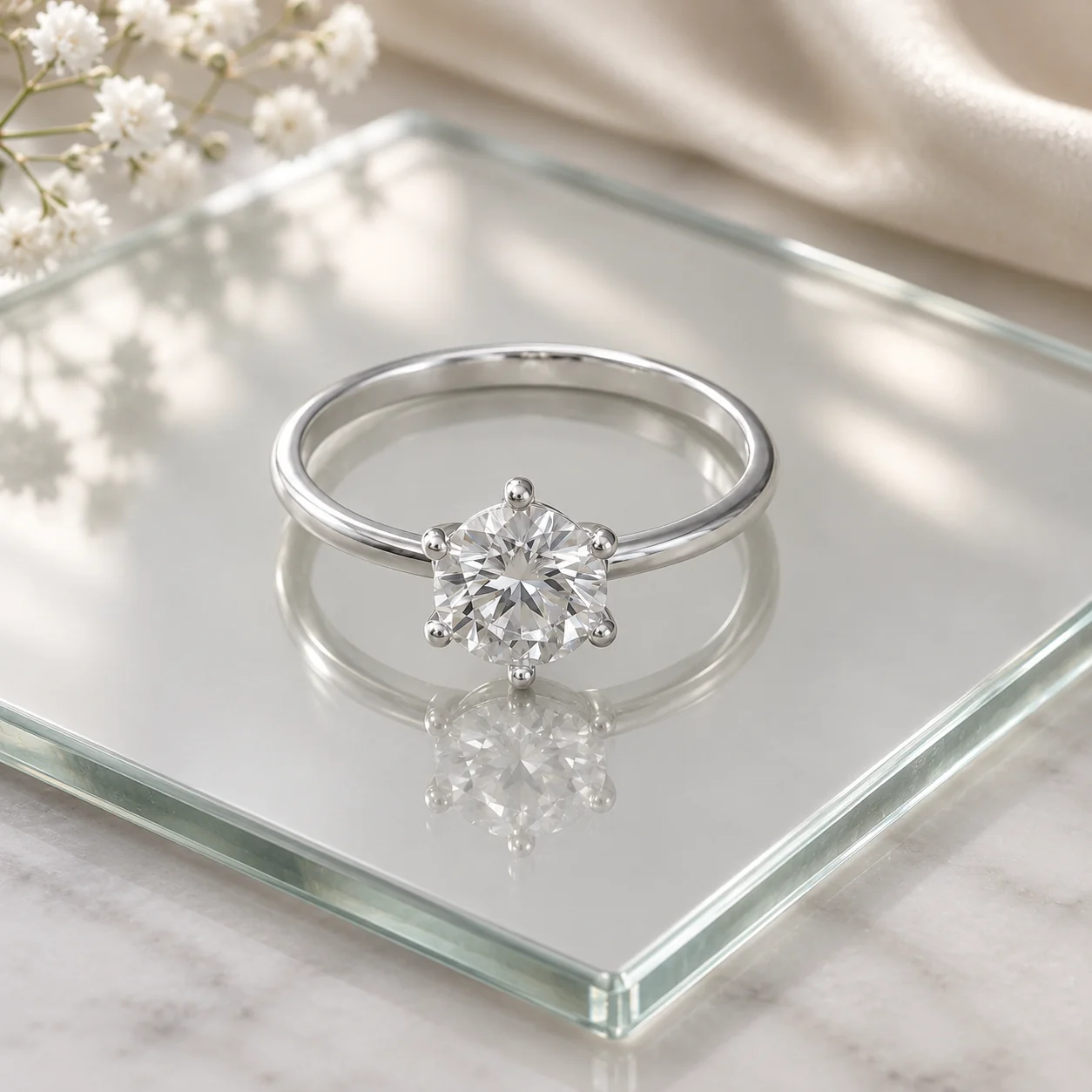 After
02
Still life photography arranges objects into a composed scene. For jewelry it usually means one carefully chosen prop that holds the piece and sets its mood: a raw stone block for something sculptural, a small dish for earrings, a branch for a chain, a sheet of glass for a clean reflection.
It differs from a flat lay because it has depth. The camera looks across or slightly down at the scene, so the prop casts real shadows and the piece sits on, in or against something. Contact has to look physically right or the image feels pasted.
This tool keeps the piece from your photo and builds the prop and light around it. It is told that props must support the piece plausibly and never hide a stone, a clasp or the outline.
Physical contact is what separates a convincing still life from a pasted one. A ring resting on a plinth should leave a small, soft shadow where it touches; a chain over a branch should hang with weight. The tool is instructed to create that contact, and it is the first thing to check in every result.
03
Use one PNG, JPEG or WebP up to 20 MB with the whole piece in frame and soft light. The prop comes from the tool; your photo only needs to show the jewelry clearly.
Select Stone plinth, Ceramic dish, Natural branch or Glass & reflection, plus the jewelry type and a 1:1, 3:4 or 4:3 frame. Add a note such as “warm afternoon light from the left”.
Look at where the piece touches the prop: it should rest, lean or drape, not float. Then compare stones, chains and clasps with your photo. Each run is a separate paid generation.
04
Match the prop to the shape and mood of the piece.
| Prop | Mood | Best pieces | Watch for |
|---|---|---|---|
| Stone plinth | Sculptural, gallery-like | Cuffs, bangles, statement rings | The piece should sit flat, not float |
| Ceramic dish | Handmade, everyday | Earrings, small rings, studs | The dish rim must not hide the piece |
| Natural branch | Organic, botanical | Chains, pendants, bracelets | Chains should drape with real weight |
| Glass & reflection | Clean, modern | Rings, pendants, minimalist pieces | Reflections must mirror the piece exactly |
05
Small choices that make a still life feel real.
Pair warm gold with travertine or terracotta, cool silver with gray stone or glass. Echoing tone makes the scene feel planned.
A single strong prop reads better than a crowd of small ones. Let the prop frame the piece rather than compete with it.
Directional soft light gives the prop a shadow and the metal a highlight, which is what makes a still life look three-dimensional.
Using the same prop for a whole collection turns individual photos into a recognizable brand look.
Choose props in proportion to the piece. A small stud on a large plinth looks lost; a delicate dish suits it better.
06
07
Contact and reflections are where still lifes go wrong.
| Check | Good result | Reject if |
|---|---|---|
| Contact | The piece rests, leans or drapes | It floats or sinks into the prop |
| Coverage | Prop never hides a detail | A rim or branch covers stones or clasp |
| Reflection | Mirrors the piece exactly | The reflection shows a different design |
| Piece | Same stones, metal and shape | Any detail redesigned |
| Scale | Prop size feels natural | The piece looks giant or tiny |
08
A sculptural still life gives a brand page a premium hero image.
Example: a gold cuff on a travertine plinth.
One prop across a collection makes it feel curated.
Example: every pair of earrings in the same ceramic dish.
Editors favor composed images with mood.
Example: a pendant draped over a branch for a lookbook spread.
Still lifes stand out among flat lays in a feed.
Example: a ring on glass with a soft reflection, 1:1.
09
Still lifes are most effective as a repeated signature.
Pick one prop that fits your brand, such as travertine for minimalist gold or ceramic for handmade silver, and use it for every hero image.
Use white or light backgrounds for the main listing image, and the still life as the second or third image.
Use the same light direction across a collection so images placed side by side feel like one shoot.
Swap the prop color for a season, such as darker stone in winter, while keeping the composition the same.
Before you publish
AI may alter small stones, prongs, links or clasps while adding a prop. Compare every result with your photo and reject anything that changes the piece.
Props are not included in a purchase unless you say so. Make clear in your listing what the buyer receives.
Questions
It is a styled product photo where the piece rests on, in or against a chosen prop, such as a stone block, a dish, a branch or glass, with directional light and real shadows. It adds mood and depth while keeping the jewelry the subject.
Stone plinths suit sculptural pieces, small ceramic dishes suit earrings and rings, branches suit chains and pendants, and glass suits minimalist pieces. Choose one prop per collection for a consistent look.
Echo the metal with the prop color, use one prop per image, light from one side and repeat the same setup across a collection. These four habits make simple product photos look intentional.
The tool is instructed never to cover stones, clasps or the outline with a prop. Check every result anyway, especially with dishes and branches.
A flat lay is shot straight down on a flat surface. A still life has depth: the camera looks across the scene and the piece sits on or against a three-dimensional prop.
Yes, and it is a good idea. Repeating one prop and light direction across a collection gives your shop a recognizable look, while each piece stays the focus of its own image.
Each image costs 15 credits on the default Fast setting, including your reference photo. New accounts that use Google sign-in or a Gmail address get 20 free credits, enough for one image. Free-credit images carry a watermark and are for personal use; use paid credits for store and marketplace images.
Your upload is private and scheduled for deletion after one day. On a free account, generated images stay in My Creations for 14 days; paid plans and credit packs keep them longer.
Upload a clean product photo, choose a prop and check the contact and details before you publish.
Upload a jewelry photo